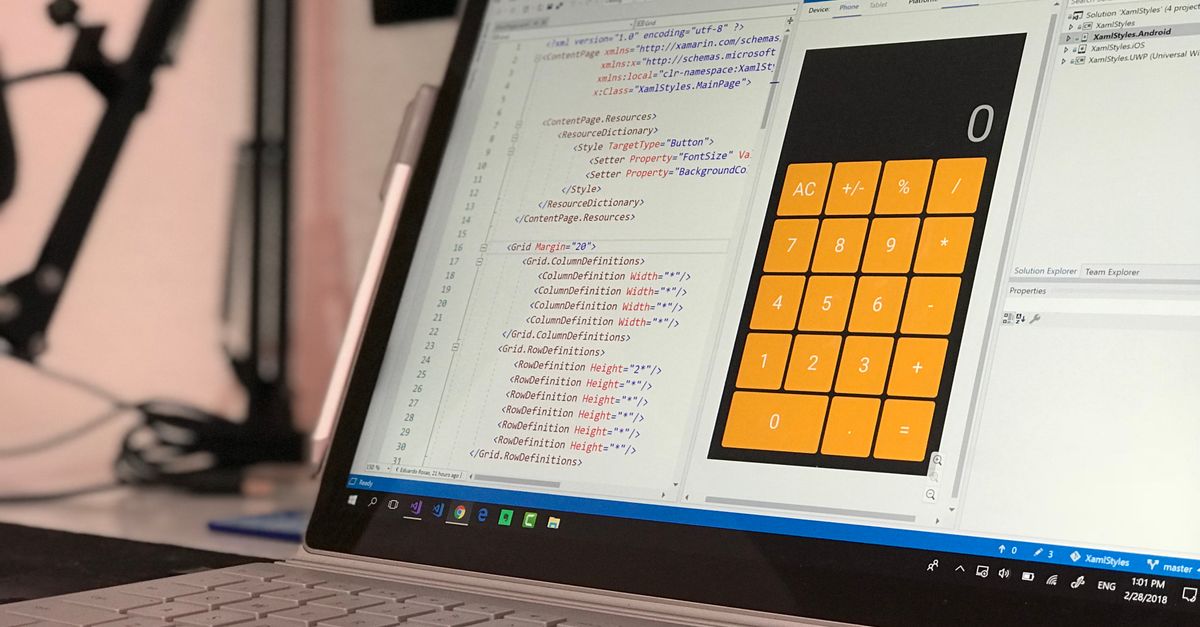
Custom software and mobile app development is a vital service for businesses in London seeking tailored digital solutions. This guide covers the essentials, from definition and benefits to costs, trends, and how to choose the right partner.
\n
\n\n
What is custom software and mobile app development?
\n
Custom software and mobile app development creates tailored applications—web, desktop, or native mobile—built to meet specific business needs that off‑the‑shelf products cannot satisfy, enabling unique functionality, integration, and competitive advantage in London’s market. It addresses distinct workflows, improves efficiency, and supports scalable growth while aligning with UK regulatory standards.
\n
This approach allows businesses to solve unique problems that generic software cannot address, leading to improved efficiency and customer satisfaction.
\n\n
Why choose custom development over off‑the‑shelf solutions?
\n
Custom development aligns precisely with your workflows, scales with growth, and integrates seamlessly with existing tools, eliminating unnecessary features, reducing long‑term licensing costs, and giving full control over security, updates, and future enhancements. It also ensures compliance with industry‑specific regulations and provides a foundation for continuous innovation.
\n
- \n
- Tailored functionality that matches exact business processes
- Scalability to accommodate future growth
- Enhanced security and compliance control
- Long‑term cost savings by avoiding unnecessary licences
\n
\n
\n
\n
\n\n
How does the custom software development process work in London?
\n
The process follows six phases—discovery, design, development, testing, deployment, and maintenance—using Agile sprints for iterative feedback, ensuring London teams deliver solutions that meet client requirements, quality standards, and timelines. Each phase includes specific deliverables, such as user stories, wireframes, code reviews, and performance tests, to keep projects transparent and on track.
\n
- \n
- Discovery & Requirements – workshops, user stories, and feasibility study
- Design & Prototyping – wireframes, UI/UX mockups, and feedback loops
- Development & Coding – Agile sprints, continuous integration, version control
- Testing & QA – automated tests, performance testing, user acceptance
- Deployment – release to staging, production rollout, monitoring
- Maintenance & Support – bug fixes, updates, and feature enhancements
\n
\n
\n
\n
\n
\n
\n\n
What technologies are commonly used for mobile app development in the UK?
\n
UK developers often choose native stacks like Swift for iOS and Kotlin for Android, or cross‑platform frameworks such as React Native, Flutter, and Xamarin, backed by Node.js, Python/Django, or .NET services and cloud hosting on AWS, Azure, or Google Cloud.
\n
- \n
- Front‑end: Swift, Kotlin, React Native, Flutter, Xamarin
- Backend: Node.js, Django, .NET Core, PostgreSQL, MongoDB
- DevOps: Docker, Kubernetes, CI/CD pipelines
- Cloud: AWS EC2, Azure App Service, Google Cloud Run
\n
\n
\n
\n
\n\n
How much does custom software and mobile app development cost in London?
\n
Costs depend on scope and complexity; a simple MVP app starts around £15,000‑£30,000, mid‑complexity apps with API integrations range £40,000‑£80,000, and enterprise platforms with AI/ML can exceed £100,000‑£500,000+, while UK developer hourly rates fall between £50 and £150. These figures reflect London’s premium talent pool and higher living costs compared to offshore regions.
\n
- \n
- Basic MVP app: £15k‑£30k
- Mid‑complexity app with API integrations: £40k‑£80k
- Enterprise platform with AI/ML: £100k‑£500k+
- Hourly rates: Junior £30‑£50, Mid £50‑£100, Senior £100‑£150
\n
\n
\n
\n
\n\n
What are the key trends shaping custom software and mobile app development in 2025?
\n
Key 2025 trends include AI‑powered features, low‑code/no‑code acceleration, privacy‑by‑design for GDPR compliance, progressive web apps (PWAs) for offline capability, edge computing for low latency, and sustainable DevSecOps practices shaping London’s development landscape. These trends drive faster time‑to‑market, enhanced user experiences, and stronger security postures for businesses operating in the UK.
\n
- \n
- AI chatbots and recommendation engines
- Low‑code platforms for rapid prototyping
- Privacy‑by‑design and data minimisation
- PWAs for offline capabilities
- Edge computing for IoT and AR/VR
\n
\n
\n
\n
\n
\n
How does AI impact custom app development?
\n
AI impacts custom app development by enabling smarter UX through natural language processing, predictive analytics, and automated testing, while AI‑assisted code generation speeds coding, reduces bugs, and personalizes experiences based on user behavior. It also improves decision‑making by providing actionable insights from large data sets and supports continuous integration pipelines.
\n
- \n
- AI‑driven UX personalisation
- Automated code review and bug detection
- Predictive analytics for feature usage
\n
\n
\n
\n\n
How to select the right custom software development partner in London?
\n
Select a partner with proven industry experience, a strong portfolio of similar projects, transparent pricing, clear communication, relevant certifications, client testimonials, Agile methodology expertise, and the ability to provide SLAs, support, and GDPR‑compliant data security. Evaluating case studies and conducting technical interviews ensures alignment with your stack and long‑term project success.
\n
- \n
- Check case studies and client references
- Evaluate technical expertise in your stack
- Ensure clear SLAs and support terms
- Confirm data security and GDPR compliance
\n
\n
\n
\n
\n\n
What legal and compliance considerations apply to software development in the UK?
\n
UK developers must comply with GDPR and the Data Protection Act 2018, include clear IP assignment clauses, meet WCAG 2.1 AA accessibility, adhere to PCI‑DSS for payment data, and obtain Cyber Essentials certification for baseline security. These requirements protect user privacy, safeguard intellectual property, and ensure legal defensibility for software handling sensitive information.
\n
- \n
- GDPR compliance for personal data
- IP assignment clauses in contracts
- WCAG 2.1 AA accessibility
- PCI‑DSS for payment processing
- Cyber Essentials certification for baseline security
\n
\n
\n
\n
\n
\n\n
How does outsourcing custom development to London compare with other regions?
\n
Outsourcing to London offers higher hourly rates (£50‑£150) but provides better timezone overlap, strong IP protection under UK law, access to top‑tier talent, and cultural alignment, reducing communication barriers and accelerating time‑to‑market for UK‑focused products compared to offshore locations like India or Eastern Europe.
\n
- \n
- Higher hourly rates (£50‑£150) vs offshore (£20‑£50)
- Better timezone overlap for UK clients
- Strong IP protection under UK law
- Access to London‑based innovation hubs and networking events
\n
\n
\n
\n
\n\n
Frequently Asked Questions
\n
What is the typical timeline for a custom mobile app in London?
\n
A simple app usually takes 3‑4 months, while a complex enterprise solution can take 6‑12 months depending on scope and approvals.
\n
Do I need to provide detailed specifications before starting?
\n
Yes, a clear requirements document helps developers estimate accurately and reduces scope creep, though workshops can refine ideas together.
\n
How is intellectual property handled in UK development contracts?
\n
Most contracts assign all IP rights to the client upon full payment, ensuring you own the code, designs, and related assets.
\n
Can I change features during development?
\n
Yes, using Agile methodologies allows for iterative changes, but significant shifts may affect timeline and cost and should be evaluated via change requests.
\n
What post‑launch support is typically offered?
\n
Support packages often include bug fixes, performance monitoring, and optional feature enhancements for a set period, usually 3‑6 months after launch.
\n