What is content that converts in social media digital marketing?
Content that converts is purpose‑crafted social media posts, videos, or ads designed to move a specific audience from awareness to a defined action—such as clicking a link, filling a form, or making a purchase—by aligning messaging, visuals, and calls‑to‑action with user intent and platform nuances.
Start with a clear goal, research audience pain points, and craft a value proposition that speaks directly to those needs.
- Define the specific action you want users to take (click, sign‑up, purchase).
- Write benefit‑driven copy that highlights a unique selling point.
- Pair copy with visuals optimized for the platform’s aspect ratio.
- Insert a prominent, unambiguous CTA.
- Test on a small audience before scaling.
How does content that converts differ from regular engagement‑focused content?
While engagement‑focused content aims for likes, comments, or shares, conversion‑focused content prioritizes measurable business outcomes by guiding users toward a specific action through persuasive copy, clear value propositions, and strategically placed CTAs.
Engagement content may rely on entertainment or trends without a direct path to purchase; ask yourself if the piece moves the user closer to a sale or lead, and if not, add a clear conversion pathway.
Which types of social media posts drive the most engagement and sales for New York businesses?
For New York businesses, short‑form video (Reels, TikTok), carousel ads showcasing product benefits, and user‑generated content campaigns consistently deliver the highest conversion rates due to visual appeal, local relevance, and easy sharing.
- Short‑form video: 15‑30 seconds, hook in first 3 seconds, subtitles on.
- Carousel ads: 3‑5 cards, each highlighting a benefit.
- UGC contests: encourage customers to tag your location and use a branded hashtag.
How can you tailor video content for maximum conversion in the NYC market?
To maximize conversion, NYC video ads should open with a hook that references a recognizable local landmark or cultural moment within the first three seconds, feature concise subtitles for sound‑off viewing, and end with a strong, location‑specific call‑to‑action such as ‘Visit our SoHo store today’ or ‘Use code NYCSAVE for 15% off.’
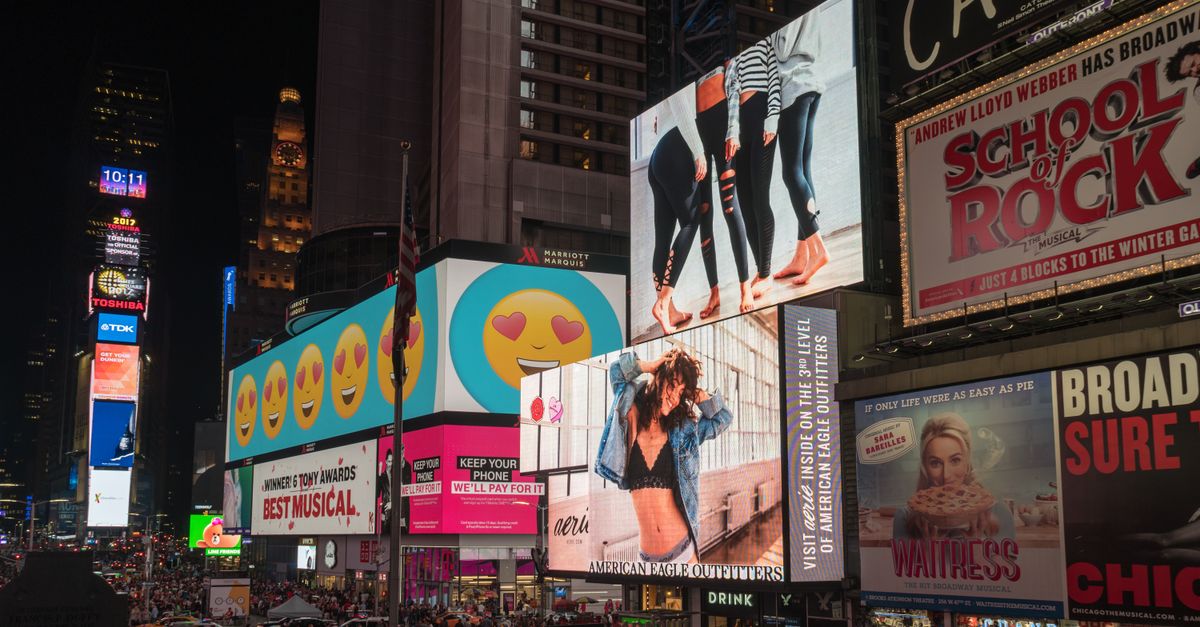
- Scout local icons (Statue of Liberty, Times Square, Brooklyn Bridge) relevant to your brand.
- Film a 3‑second hook featuring the icon or a NYC‑specific scene.
- Add bold, easy‑to‑read subtitles.
- Close with a CTA that includes a neighborhood name or promo code.
- Export in 9:16 vertical for Stories/Reels and 1:1 for feed.
What metrics should you track to measure content conversion effectiveness?
Key conversion metrics include click‑through rate (CTR), conversion rate, cost per acquisition (CPA), return on ad spend (ROAS), and engagement‑to‑conversion ratio. Track these via platform analytics and UTM‑tagged links to see which content drives actual sales versus mere interaction.
- Monitor weekly: CTR >1.2% on feed ads, >2.0% on Stories.
- Conversion rate 2‑5% for e‑commerce, higher for lead gen.
- CPA below LTV/3.
- ROAS ≥4:1 for profitable campaigns.
- Low engagement‑to‑conversion ratio signals high intent traffic.
How do you calculate ROAS for social media campaigns?
ROAS is calculated by dividing total revenue generated from a campaign by total ad spend. Example: a New York fashion boutique spends $2,000 on Instagram ads and earns $12,000 in sales → ROAS 6:1 (six dollars revenue per dollar spent).
- Sum campaign‑attributed sales (UTM or pixel).
- Divide by total ad spend.
- Express as ratio (e.g., 6:1) or percentage (600%).
- Compare to profitability threshold.
How can you optimize your content strategy using A/B testing and analytics?
Optimize by testing one variable at a time—headline, image, or CTA—while keeping other elements constant. Use platform split‑test tools, run experiments ≥48 hours, gather significant data, implement the winner, and iterate.
- Pick element to test (e.g., CTA “Shop Now” vs “Buy Today”).
- Create two variants, changing only that element.
- Run test to equal random audience split.
- Reach ≥100 conversions per variant or 48 h.
- Analyze, pause loser, scale winner.
- Document learnings.
What are the best practices for scheduling and distributing content in NYC markets?
Schedule posts during peak local activity windows—weekday mornings (7‑9 am) and evenings (6‑9 pm)—when New York commuters scroll feeds. Use geo‑targeting for specific boroughs, align with city events (e.g., Fashion Week), leverage Stories for real‑time, location‑based promotions.
- Use a social media calendar to plan weeks ahead.
- Automate posting for peak times.
- Monitor NYC trending hashtags and jump on relevant ones.
- Reserve budget for boosted posts during major local events (Marathon, Thanksgiving Parade).
How do you repurpose top‑performing content across platforms?
Take a high‑converting video, extract key clips for TikTok, create a carousel summary for Instagram, transcribe audio into a LinkedIn article, and adapt the hook into a tweet thread. Each version keeps core message while matching platform format, audience behavior, optimal length.
- Identify top‑performing asset (video >2 min).
- Cut 3‑5 s highlight reels for TikTok.
- Design 5‑slide carousel with key stats for Instagram.
- Transcribe spoken words into a LinkedIn post.
- Craft 5‑tweet thread starting with video hook, ending with CTA.
- Schedule per platform optimal timing.
What tools and resources help New York marketers produce converting content?
New York marketers rely on tools like Canva Pro for quick graphic creation, Adobe Premiere Rush for mobile video editing, Buffer or Later for scheduling, and Google Analytics 4 with UTM parameters for tracking. Local resources such as NYC Digital Marketing Meetups and the Social Media Marketing Wikipedia page provide community insights and authoritative guidance.
How does local culture and trends in New York influence content conversion?
New York’s fast‑paced, trend‑savvy audience responds to content that reflects local events, neighborhood pride, and real‑time moments—such as a subway delay meme or a street‑fair promotion. Aligning messaging with these cultural cues boosts relevance, engagement, and conversion likelihood.
- Follow NYC‑specific influencers and news outlets.
- Create timely memes/jokes about subway delays, weather, sports.
- Partner with local artists or pop‑up shops for co‑created content.
- Use geotags and neighborhood names in captions/hashtags.
What are common mistakes to avoid when aiming for conversion‑focused content?
Common mistakes include using generic copy that ignores local nuances, overloading posts with multiple CTAs, neglecting mobile‑first design, failing to run regular tests and iterate, and relying solely on vanity metrics such as likes instead of tracking actions that drive revenue and business growth.
- Research NYC borough‑specific audiences.
- Limit each post to one primary CTA.
- Design vertical creatives for mobile first.
- Set weekly A/B test calendar.
- Focus on CTR, CPA, ROAS rather than likes alone.
Frequently Asked Questions
What is the ideal length for a conversion‑focused Instagram Reel in New York?
The ideal length is 15 to 30 seconds, with a hook in the first three seconds and subtitles for sound‑off viewing.
How often should I run A/B tests on my social media ads?
Run A/B tests weekly, testing one variable at a time, and allow each test to reach statistical significance (typically 48 hours or 100 conversions per variant).
Can user‑generated content really improve conversion rates for NYC brands?
Yes, UGC builds trust and showcases real‑life usage, often lifting conversion rates by 20‑30% when paired with a location‑specific offer.
What budget should a small New York business allocate for social media testing?
Start with 10‑15% of total monthly ad spend for testing; scale winning variants after confirming positive ROAS.
How do I know if my content is truly converting and not just generating engagement?
Check conversion rate and ROAS; if likes are high but sales/leads low, revisit CTA and offer clarity.