What is e‑commerce website development?
E‑commerce website development is the process of designing, building, and launching an online store that lets businesses sell products or services over the internet. It includes front‑end UI/UX design, back‑end server setup, payment gateway integration, security measures, and ongoing maintenance, tailored to local Kuala Lumpur consumer behaviours and payment preferences such as FPX and Touch ‘n Go eWallet.
In Kuala Lumpur, developers often customise stores to reflect local shopping habits, integrate popular Malaysian payment methods, and ensure compliance with data protection regulations.
Why is e‑commerce website development important for businesses in Kuala Lumpur?
A professionally developed e‑commerce site lets Kuala Lumpur‑based businesses reach customers beyond physical storefronts, taps into Malaysia’s projected RM120 billion online‑shopping market by 2026, and offers 24/7 sales. It boosts brand credibility, enables data‑driven marketing, and supports omnichannel strategies that integrate with local marketplaces like Lazada and Shopee.
Additionally, an online store provides valuable analytics that help refine inventory, pricing, and promotional campaigns based on real‑time consumer behaviour.
What are the key steps in the e‑commerce website development process?
The key steps are: requirement gathering and planning, platform selection, UI/UX design, front‑end and back‑end development, payment and logistics integration, testing and QA, launch and staff training, and post‑launch support for monitoring, patching, and conversion‑rate optimisation and ongoing performance improvements.
- Requirement gathering & planning – define product catalogue, target audience, budget, timeline.
- Platform selection – choose hosted (Shopify, BigCommerce) or self‑hosted (WooCommerce, Magento).
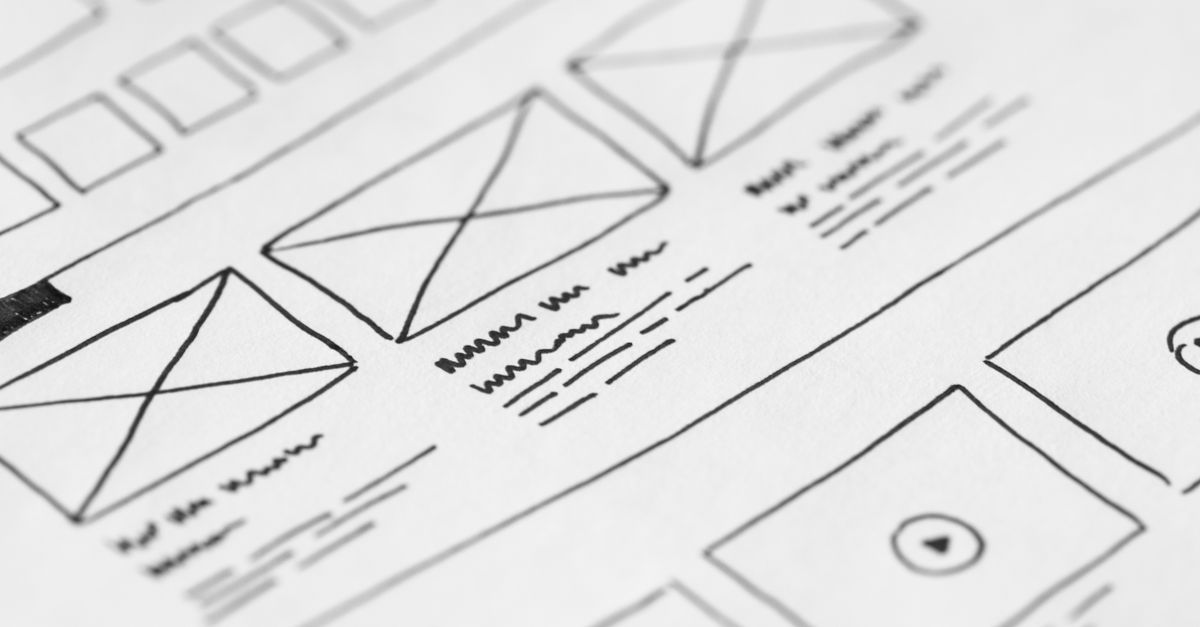
- UI/UX design – create wireframes and mock‑ups reflecting brand identity and Malaysian user expectations.
- Development – build front‑end with HTML/CSS/JS frameworks (React, Vue) and integrate back‑end logic, databases, APIs.
- Payment & logistics integration – connect local gateways (iPay88, MOLPay, FPX) and courier services (Poslaju, GDex).
- Testing & QA – perform functional, security, and performance tests across devices and browsers.
- Launch & training – deploy to production, provide staff training, set up analytics.
- Post‑launch support – monitor uptime, apply patches, optimise conversion rates.
How do you choose the right platform for your e‑commerce site in Kuala Lumpur?
Choose a platform by assessing your technical expertise, scalability needs, and budget. Beginners with limited development resources often pick hosted solutions like Shopify for quick setup and local payment plugins. Medium‑sized businesses favour WooCommerce on WordPress for custom features and strong Malaysian developer support, while large enterprises opt for Magento or Shopify Plus for high‑volume performance.
- Shopify – ideal for beginners; includes hosting, security, and Malaysian payment gateway apps.
- WooCommerce – flexible, WordPress‑based, large local developer community, suitable for mid‑size stores.
- Magento / Shopify Plus – enterprise‑grade, handles high transaction volumes, multi‑store capabilities.
What are typical costs for e‑commerce website development in Malaysia?
Typical costs vary: a basic Shopify store starts at RM2,500–RM5,000 (setup + theme). A custom WooCommerce site ranges from RM8,000–RM15,000 depending on design complexity and plugin licences. Enterprise Magento builds can exceed RM30,000 due to custom development and hosting, with ongoing expenses for hosting, transaction fees, and monthly maintenance.
- Shopify Basic: RM2,500–RM5,000 setup; monthly Shopify plan RM120–RM400.
- WooCommerce Custom: RM8,000–RM15,000 development; hosting RM50–RM300/month.
- Magento Enterprise: RM30,000+ development; hosting RM200–RM800/month.
- Ongoing: transaction fees 2‑3% per sale; maintenance contracts RM1,000–RM3,000/month.
What SEO, GEO, and AEO best practices should you follow for an e‑commerce site in Kuala Lumpur?
Follow SEO by researching keywords like ‘online shopping Kuala Lumpur’, optimizing product titles, adding Product and Offer schema, and ensuring fast load times. For GEO, display NAP details, create district‑specific landing pages, and register with Google My Business. For AEO, open each section with a 40‑60‑word answer block, use question‑style headings, and present information in bulleted or numbered lists.
- SEO: conduct keyword research, optimise meta tags, use schema markup, improve site speed.
- GEO: include NAP in footer, create location pages for Bukit Bintang, Kampung Baru, etc., submit to local directories.
- AEO: use answer‑first headings, provide concise summary blocks, leverage lists and tables for quick extraction.
Frequently Asked Questions
How long does it take to develop an e-commerce website in Kuala Lumpur?
A simple store usually takes 4‑8 weeks to build. A custom, feature‑rich platform can require 3‑4 months depending on complexity and feedback cycles.
Do I need a separate mobile app if I have a responsive e‑commerce site?
A well‑optimised responsive site works on all devices, so a separate app is not required. However, a native app can improve user loyalty and enable push notifications for repeat customers.
Which payment gateways are most popular with Malaysian shoppers?
FPX, GrabPay, Touch ‘n Go eWallet, and Boost are widely used alongside international cards like Visa/Mastercard and PayPal. Offering a mix of local and global options maximises checkout completion.
How can I ensure my e‑commerce site complies with Malaysia’s PDPA?
Implement a clear privacy policy, obtain explicit consent for data collection, and secure data with encryption. Appoint a data protection officer if your business meets the PDPA’s threshold requirements.
Where can I find more resources on web development fundamentals?
Refer to the comprehensive Wikipedia article on web development for a solid foundation. Additionally, sites like MDN Web Docs and freeCodeCamp offer up‑to‑date tutorials.